




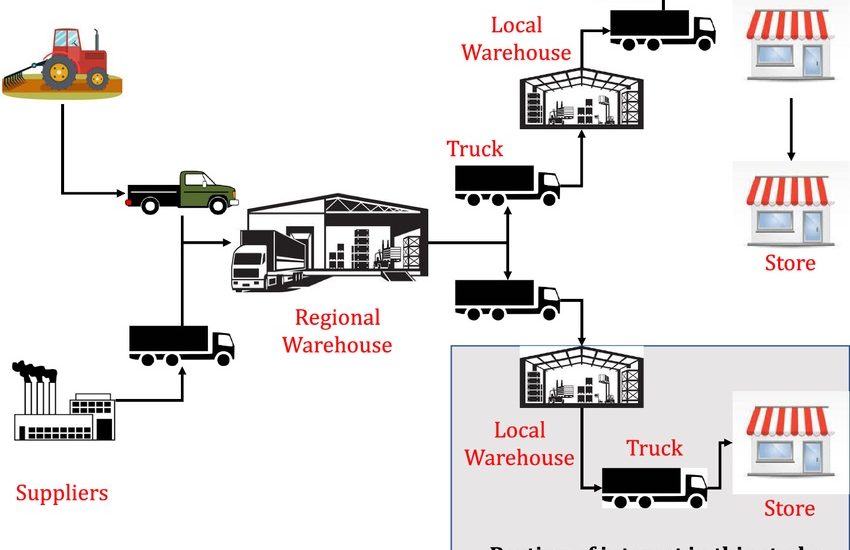
Wholesale and retail represent two critical but distinct stages in supply chain management. Wholesalers act as intermediaries, purchasing large quantities of goods directly from manufacturers and distributing them to retailers or other businesses. Retailers, on the other hand, sell products directly to end consumers. Both models have unique impacts on how products move through the supply chain, affecting everything from logistics to vendor relations. Understanding these differences is essential for optimizing supply chain efficiency in today’s fast-moving marketplace.
The logistics demands of wholesale and retail models vary significantly. Wholesalers handle bulk shipments and require warehouse facilities capable of managing high volumes and diverse inventories. Their logistics focus on cost-effective transportation and storage to support large-scale distribution. Retailers, especially in e-commerce, prioritize last-mile delivery and inventory management that aligns with consumer demand patterns. This means retail logistics must be agile and responsive, with smaller, more frequent shipments. Both models must coordinate to ensure seamless product flow, but their logistics priorities reflect their differing roles in the supply chain. Having a comparison between what is wholesale vs retail is essential here.
Vendor relationships differ markedly between wholesalers and retailers. Wholesalers maintain direct partnerships with manufacturers, negotiating bulk purchasing agreements, favorable pricing, and delivery terms. These relationships are vital for securing inventory and managing costs. Retailers typically work with wholesalers or distributors rather than manufacturers, focusing on obtaining products that meet customer preferences and stocking trends. Because wholesalers bridge the gap between manufacturers and retailers, they play a crucial role in shaping procurement strategies and ensuring product availability across the supply chain.
Wholesale distribution greatly influences how products reach various markets. By consolidating goods from multiple manufacturers, wholesalers enable retailers to offer a broad assortment of products without managing numerous direct supplier relationships. This model supports wide geographic distribution and market penetration, as wholesalers can serve multiple retailers across regions. Retailers focus on customer engagement and demand fulfillment, tailoring their product mix to local market needs. Together, wholesale and retail operations form a complementary network that drives efficient product distribution and accessibility.
In today’s rapidly evolving marketplace, the balance between wholesale and retail supply chain functions is more critical than ever. Wholesalers must adapt to digital transformation, integrating real-time inventory and automated ordering to meet retailer demands swiftly. Retailers, meanwhile, need flexible inventory management and responsive logistics to satisfy consumer expectations for fast delivery and product availability. Effective collaboration and clear communication between wholesale and retail partners optimize the supply chain’s speed, accuracy, and cost-efficiency, giving businesses a competitive edge.
In conclusion, wholesale and retail models play distinctive yet interconnected roles in supply chain management. Their impact on logistics, vendor relationships, and product distribution shapes how efficiently goods move from manufacturers to consumers. Recognizing the importance of each model enables businesses to enhance supply chain operations and thrive in a fast-paced market environment.


