




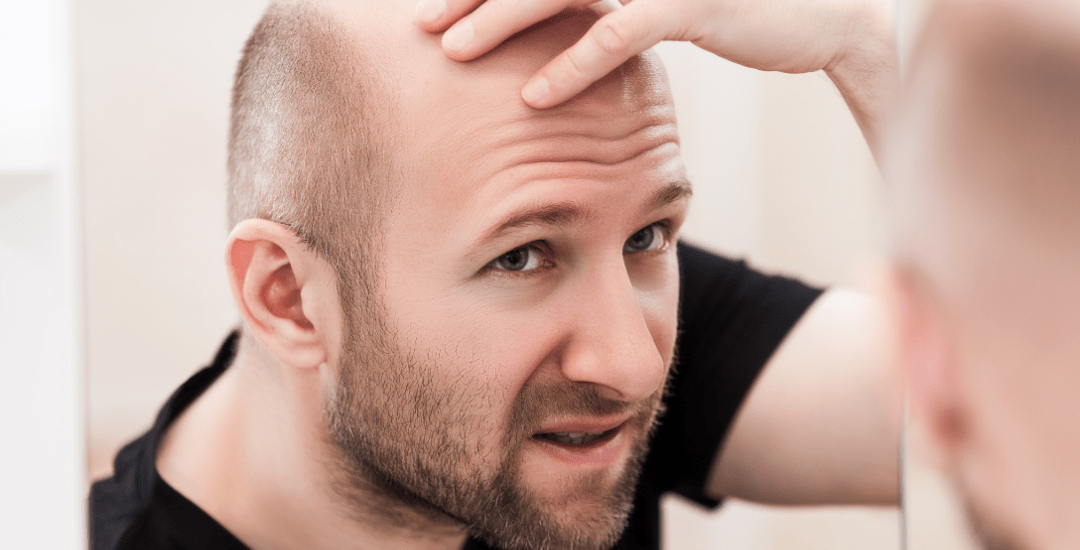
Male pattern baldness, or androgenic alopecia, stems from a hereditary tendency for certain hair follicles to convert testosterone into dihydrotestosterone (DHT). Over time these affected follicles miniaturize, producing ever-finer hairs until growth ceases altogether. The typical progression follows the modified Norwood scale, beginning with hairline recession, advancing to thinning at the crown, and in severe cases leaving only a horseshoe rim of hair around the scalp.
https://colombiahairtransplant.com/
Experiencing noticeable hair loss can undermine self-esteem, provoke anxiety in social settings and even affect personal relationships. For many men, the emotional distress associated with alopecia goes beyond cosmetic concern and warrants timely intervention rather than dismissal as a trivial matter.
Early-stage therapies include topical minoxidil, which promotes vasodilation and extends the anagen (growth) phase, and oral finasteride, which inhibits DHT synthesis and helps prevent the transition of terminal hairs to vellus hairs. Low-level laser devices also show promise in stimulating follicular activity with minimal risk.
Optimal hair health depends on balanced nutrition—adequate protein, iron, zinc and selected vitamins—as well as stress-reduction practices such as relaxation therapy. Smoking cessation improves scalp blood flow and further supports follicle vitality. Together these measures complement medical treatments and help slow the progression of hair thinning.
Men whose hair loss progresses despite diligent use of medical and lifestyle therapies may explore hair transplant surgery once their condition stabilizes. Candidacy typically follows stabilization of hair loss patterns and a clear understanding of long-term expectations, ensuring optimal placement of donor follicles and sustained natural-looking results.
Understanding the biological underpinnings of androgenic alopecia and the range of non-surgical and surgical options empowers men to make informed decisions. Early intervention with proven medical treatments and healthy living practices can slow hair loss, while hair restoration surgery remains a definitive solution for those seeking lasting density and coverage.


